Driveway Extensions in Toronto: Do’s, Don’ts, and What to Expect
Driveway Extensions in Toronto: Do’s, Don’ts, and What to Expect
Thinking about extending your driveway? Learn the do’s and don’ts of driveway extensions in Toronto, including permits, excavation, costs, and why a full driveway replacement may save money long term.
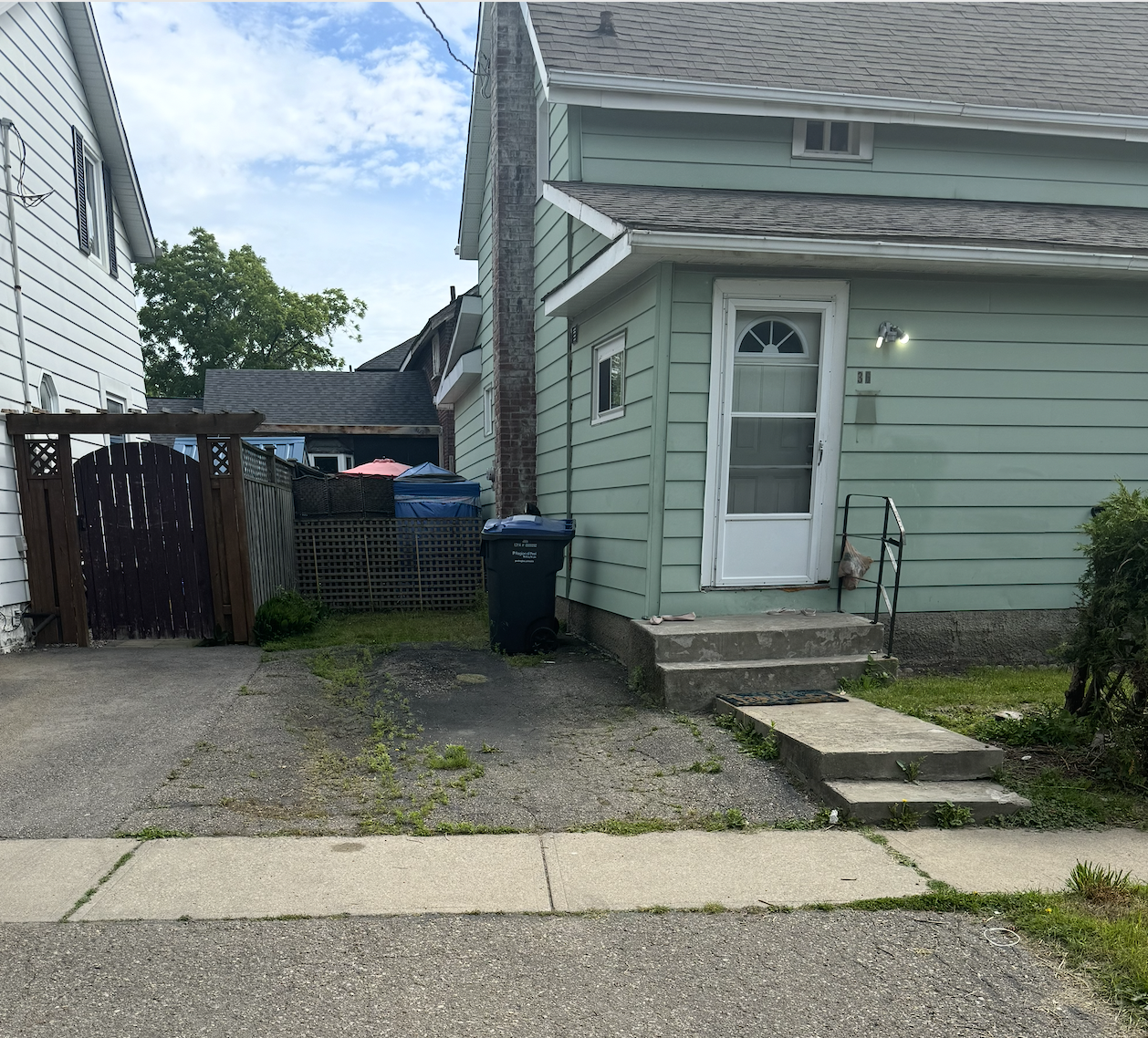
Many homeowners want a wider driveway. Maybe you need more parking space, easier access, or room for a growing family. A driveway extension can improve both function and curb appeal — but there are a few important things you should know before starting.
At Pavemar Paving, we often meet homeowners who are surprised to learn that driveway extensions are not as simple as adding a little asphalt to the side of the driveway. There are rules, permits, excavation requirements, and construction standards that need to be followed for the job to last.
Here’s what to expect before you begin.
⸻
Don’t Skip the Permit Process
One of the most expensive mistakes homeowners make is extending a driveway without city approval.
Even if the work looks good, the municipality can still order you to remove it if it does not meet local bylaws or green space requirements.
That means:
Paying to tear out brand-new asphalt
Paying disposal and excavation costs twice
Losing time dealing with inspections and notices
Potentially damaging the rest of your property during removal
In some cases, homeowners end up spending far more fixing an illegal driveway extension than they would have by doing it properly the first time.
A permit may feel like an extra step, but it protects you from major headaches later.
⸻
Why Driveway Extensions Require Proper Approval
In reality, every municipality has rules about residential driveway sizes, parking areas, and green space. Many cities in the Greater Toronto Area have architectural or zoning controls that limit how much of your front yard can be paved.
Before hiring a contractor, you should always check with your local municipality to see:
If driveway extensions are allowed
How wide the driveway can be
How much landscaped green space must remain
If a permit is needed
In most cases, yes — you need a permit before the work begins.
Skipping this step can create problems later, including fines, failed inspections, or being forced to remove the new extension.
⸻
Don’t Assume Your Neighbour’s Driveway Is Legal
A common question we hear is:
“But my neighbour already did theirs.”
Just because another driveway was widened does not mean it was approved or built legally. Rules also change over time. A driveway installed 15 years ago may not meet today’s bylaws.
Every property is different. Lot size, frontage width, drainage, grading, and zoning can all affect what is allowed.
The safest approach is to confirm the requirements for your own property before moving forward.
⸻
Do Ask Your Contractor What Their Driveway Extension Process Includes
A quality driveway extension starts long before asphalt is installed.
The existing ground needs to be excavated properly. In most cases, contractors should remove approximately 8–10 inches of soil before rebuilding the area with compacted gravel and fresh asphalt.
This step matters because asphalt is only as strong as the foundation underneath it.
A good way to think about it is this:
Adding a driveway extension is more like building a new addition onto a house than doing a simple cosmetic renovation. The surface you see is only one part of the project. The real strength comes from the foundation underneath.
Without proper excavation and compacted base material, the new section will sink, crack, or shift over time.
⸻
Why Many Homeowners Replace the Whole Driveway
When installing a driveway extension, large excavation and paving equipment is often required. That machinery can place stress on older asphalt surfaces.
If the existing driveway is already cracked, weak, or aging, it may become damaged during construction.
For this reason, many homeowners choose to replace the entire driveway at the same time instead of only adding an extension. In many cases, this gives:
Better overall appearance
Improved drainage
Longer lifespan
More consistent asphalt colour and finish
Better long-term value
It can also be more cost-effective than fixing what’s broken after the extension is done.
⸻
Existing Driveway Extensions May Not Be Suitable for Repaving
Not every driveway extension can simply be repaved.
Many older or homeowner-built extensions were constructed by placing stonework or asphalt directly over topsoil or adding only a thin layer of gravel beneath the surface. While these areas may have looked acceptable when first installed, they often lack the structural foundation needed to support new asphalt.
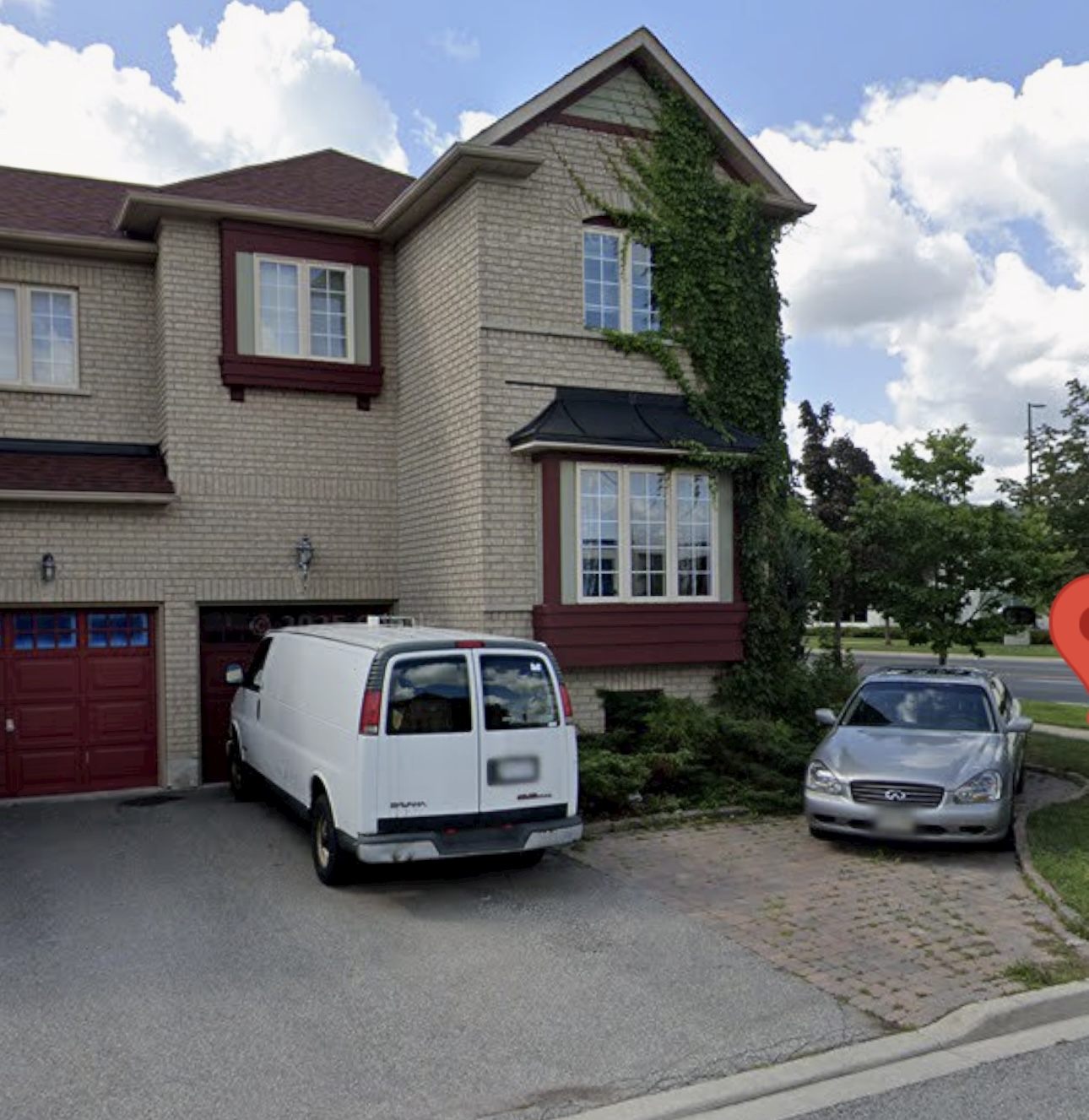
Before repaving, a contractor should evaluate the condition of the existing extension. If the foundation has failed—or was never properly built—the extension may need to be excavated and rebuilt before new asphalt is installed.
Paving over a weak base simply transfers the problem to the new asphalt, often resulting in premature cracking, sinking, and uneven surfaces.
⸻
When Space Gets Tight, Homeowners Feel the Pressure
If your driveway feels cramped now, winter usually makes it worse.
Between multiple vehicles, guests, and snow piling up along the edges of the driveway, getting in and out can quickly become frustrating. Many homeowners end up squeezing between cars, parking on the lawn, or struggling to safely back out during icy conditions.
That’s why driveway extensions have become so popular across Toronto and the GTA. The extra space can make day-to-day life much easier — especially during the winter months.
But rushing into the project without proper planning can create even bigger problems.
⸻
Why Cheap Work Usually Becomes Expensive Later
Not all driveway contractors follow proper construction methods.
If the extension is installed without enough excavation, proper gravel base, or compaction, problems often appear quickly:
Tire ruts forming
Cracking and sinking
Water pooling near the home
Grass and weeds growing through the asphalt edges
Uneven surfaces between the old and new driveway
A driveway extension should be built to last — not patched together as cheaply as possible.
Choosing an experienced paving contractor may cost a little more upfront, but it can save you thousands in future repairs and replacement costs. A proper foundation is what keeps asphalt looking clean, level, and durable for years.
⸻
Do Speak to Your Contractor About Proper Ways to Save Money on Your Driveway Project
One area that can drastically affect project cost is soil removal.
Excavated earth cannot simply be dumped anywhere. Clean earth material must be transported to approved dump sites, and there are only a limited number of facilities that accept it.
If you have space on your property where clean soil can safely remain on-site, you may be able to reduce trucking and disposal costs.
This is something worth discussing with your contractor before work begins.
⸻
Work With an Experienced Paving Contractor
A driveway extension may seem straightforward, but proper planning makes all the difference.
From permits and bylaws to excavation depth and drainage, every detail matters if you want the driveway to last for years.
At Pavemar Paving, we help homeowners across the Toronto and the GTA understand the process before construction begins. Our team focuses on proper preparation, quality materials, and professional workmanship to ensure every driveway is built the right way from below the ground and up.